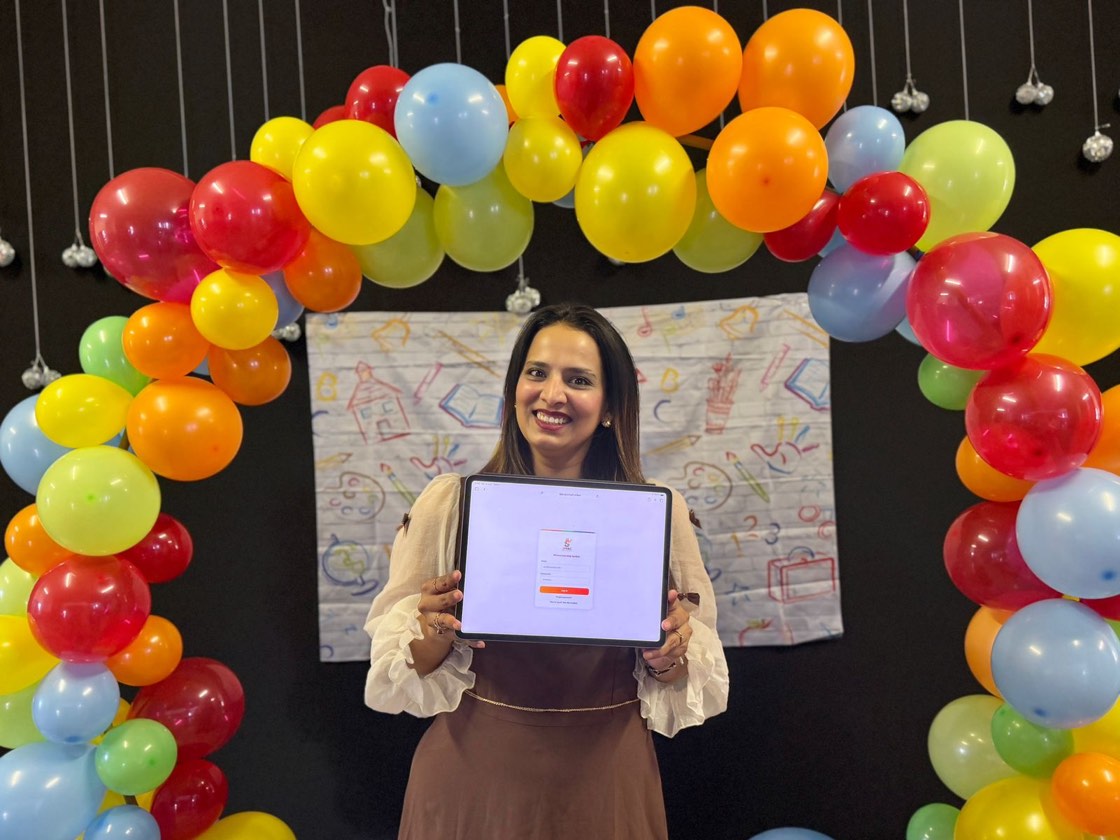
I'm Aanisah Chothia — a teacher, first and always.
From 2018 to 2024, I taught learners with physical disabilities. Every day looked different. Some days it was working alongside therapists to make a simple classroom task achievable. Some days it was adapting a lesson on the spot because what worked yesterday didn't work today. Some days it meant reaching for an assistive device so a child could show me what they knew, in the way that worked for them.
What those years taught me is that every child can learn — they just don't all learn the same way, at the same pace, or through the same door. Inclusion isn't a nice idea to me. It's the whole job.
In 2024, I moved into online teaching at a British school. It changed how I thought about the classroom completely. Suddenly, technology wasn't a distraction I was competing with — it was my best tool. I started building games into my lessons and watched something I'd seen a thousand times before happen faster and more joyfully than ever: children leaning in, wanting more, not realising how much they were learning because they were having too much fun to notice.
At home, I'm a mum of three. And like most parents, I know the screen-time struggle well. My own kids love their screens — and for a long time, that felt like something to manage, limit, feel a little guilty about.
That's where Spark came from.
I didn't want to fight screen time. I wanted to make it mean something. What if the games my kids already wanted to play were quietly, joyfully teaching them? What if the time they spent on a device was time I could feel good about?
Spark is built on that idea: learning through play, in a way that's genuinely meaningful — not a token "educational" label slapped on a game, but real CAPS-aligned content, adapting to each child the way I once adapted lessons one learner at a time.
It's also built to support the people around the child. Parents get real visibility into what their child is learning and how they're progressing — not just a login they forget about. Teachers get tools to track progress and assessment in ways that actually fit how they teach. And every game features South African contexts our children can genuinely relate to — our money, our stories, our world — because representation in learning isn't a detail, it's the whole point.
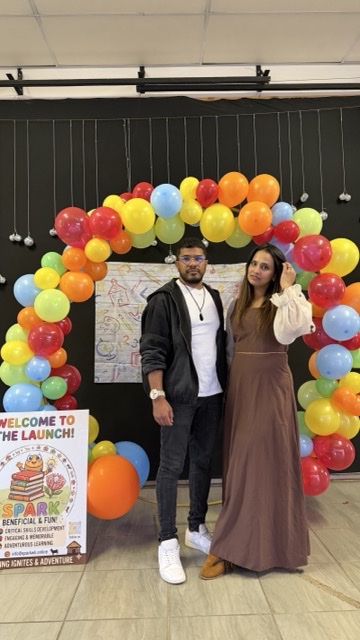
None of this would exist without my husband, Suliman — a systems thinker who took everything I knew from the classroom and figured out how to actually build it. I brought the "why." He brought the "how." Spark is what happens when a teacher and a systems thinker sit down and decide a problem is worth solving properly.
Spark was never meant to replace a teacher or a classroom. It's meant to stand beside them — supporting what happens at school, and extending it into the hours when a child is home, curious, and holding a device anyway.
That's the whole idea. Meaningful screen time. Real learning. A little bit of the classroom, wherever your child is.
— Aanisah Chothia